




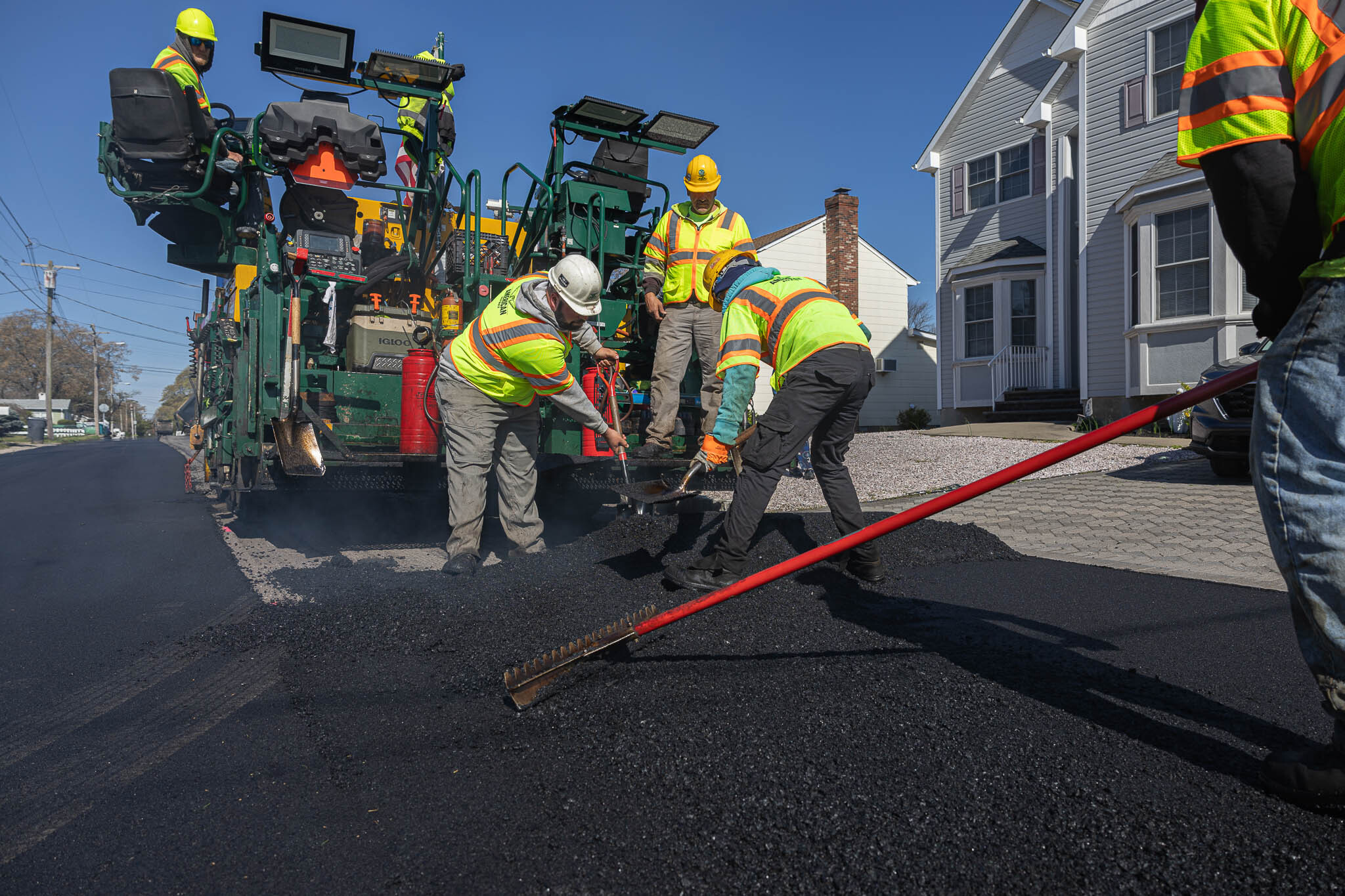
Working with Homeowners Associations During Asphalt Operations
Asphalt paving projects in residential communities come with an added layer of coordination: the homeowners association (HOA). Unlike standard commercial or municipal jobs, HOA-managed properties require clear communication and detailed planning to ensure you adhere to their community guidelines. For contractors and property managers, understanding HOA expectations before you begin your asphalt project makes the process smoother.
With offices in Camden County and Passaic County, NJ, Earle American has experience serving HOA communities in New Jersey, southern New York State, Southeast PA, and northern Delaware. Here, we discuss how to partner with homeowners associations to ensure successful projects from start to finish.
Why Homeowners Association Projects Require a Different Approach
HOAs are responsible for maintaining shared spaces, including roads, parking lots, and driveways. However, they also must protect their residents. That means paving projects must be efficient and minimally disruptive. Unlike standalone commercial projects, HOA paving jobs involve:
- Multiple stakeholders, including board members, property managers, and residents
- Strict timelines and approved budgets
- Community rules around noise, access, and working hours
- A higher sensitivity to inconvenience and safety concerns
Because of this, you must plan ahead. The more organized you are, the fewer surprises there will be for everyone along the way.
Pre-Project Planning: Setting Expectations Early
Before you can start any paving, HOAs expect a clear and detailed plan. This helps board members communicate with residents and ensures everyone understands what to expect. A solid plan typically includes:
- Project scope: This should outline areas to be paved, repaired, or milled.
- Timeline: What dates do you plan to start and end?
- Access plans: Do you need to close any roads or parking areas?
- Weather contingencies: Weather is unpredictable. Outline your backup plans in case of rain delays.
- Safety measures: Include any signage or barriers you’ll need to put up to keep residents safe.
Having clear documentation at this stage builds trust with the HOA. It also provides them with a resource to look to if they have questions once you start work.
Communication with Residents
One of the biggest expectations from HOAs is consistent, proactive communication with residents. Even a paving plan that is well executed can lead to frustration if people feel uninformed.
To keep residents in the loop, HOAs and contractors should give advance notice of one to two weeks before work begins. This includes parking restrictions, vehicle removal, reminder notices, and daily updates during the project.
It’s also important to communicate what residents can expect regarding noise, odors, and temporary access limitations. By setting realistic expectations, you can minimize complaints and keep the project moving forward.
During Project: Steps That Help the Process Go Smoothly
HOA communities often require that you complete paving work in phases. This ensures that residents can still access their homes and parking areas. Consider the following when scheduling your project:
- Divide the property into sections and complete one area at a time.
- Schedule work during off-peak hours when possible.
- Coordinate with trash pickup, deliveries, and emergency service routes.
While phased work often extends the timeline, it significantly improves the resident experience. HOAs typically prioritize accessibility over speed, which means being flexible is important.
Managing Parking and Access
Parking is one of the most important aspects to consider during HOA paving projects. Residents need clear guidance on where to park and when to move their vehicles. Effective parking management includes:
- Clearly marking no-parking zones
- Temporary parking spaces or overflow areas
- Communicating towing policies well in advance
- On-site personnel to guide traffic and answer questions
Without a solid plan, there may be confusion around parking. This can delay the project and create unnecessary stress and tension within the community.
Post-Project Walkthrough and Follow-Up
Once paving is complete, HOAs expect a final walkthrough to ensure everything meets agreed-upon standards. This is an opportunity for them to address any concerns before you officially close out the project.
During the closeout process, you should walk with the HOA president or representative to inspect the paved surfaces and drainage and verify striping and markings. This is also a great time to go over how to maintain their roads, driveways, or parking lots, such as sealcoating or crack filling. This guidance helps the HOA protect its investment long term.
Partner with Earle American for a Smooth Paving Project
Working with a homeowners association during paving operations requires coordination, expertise, and a clear understanding of community priorities. Earle American brings experience in managing HOA projects with a structured approach. From detailed planning to the final walkthrough, our focus remains on delivering high-quality results while minimizing disruption for your residents.
With offices in Camden County and Passaic County, NJ, our team is proud to serve communities throughout NJ, southern NY, southeast PA, and northern DE. If your community is planning an asphalt paving project, we’re here to make the entire process simple. Contact us today to learn more.
interested in asphalt paving?
get in touch with us
Are you looking for asphalt paving for your commercial property or industrial properties? Fill out the following form and we'll get back to you as soon as possible.