

Most Effective Line Striping Materials
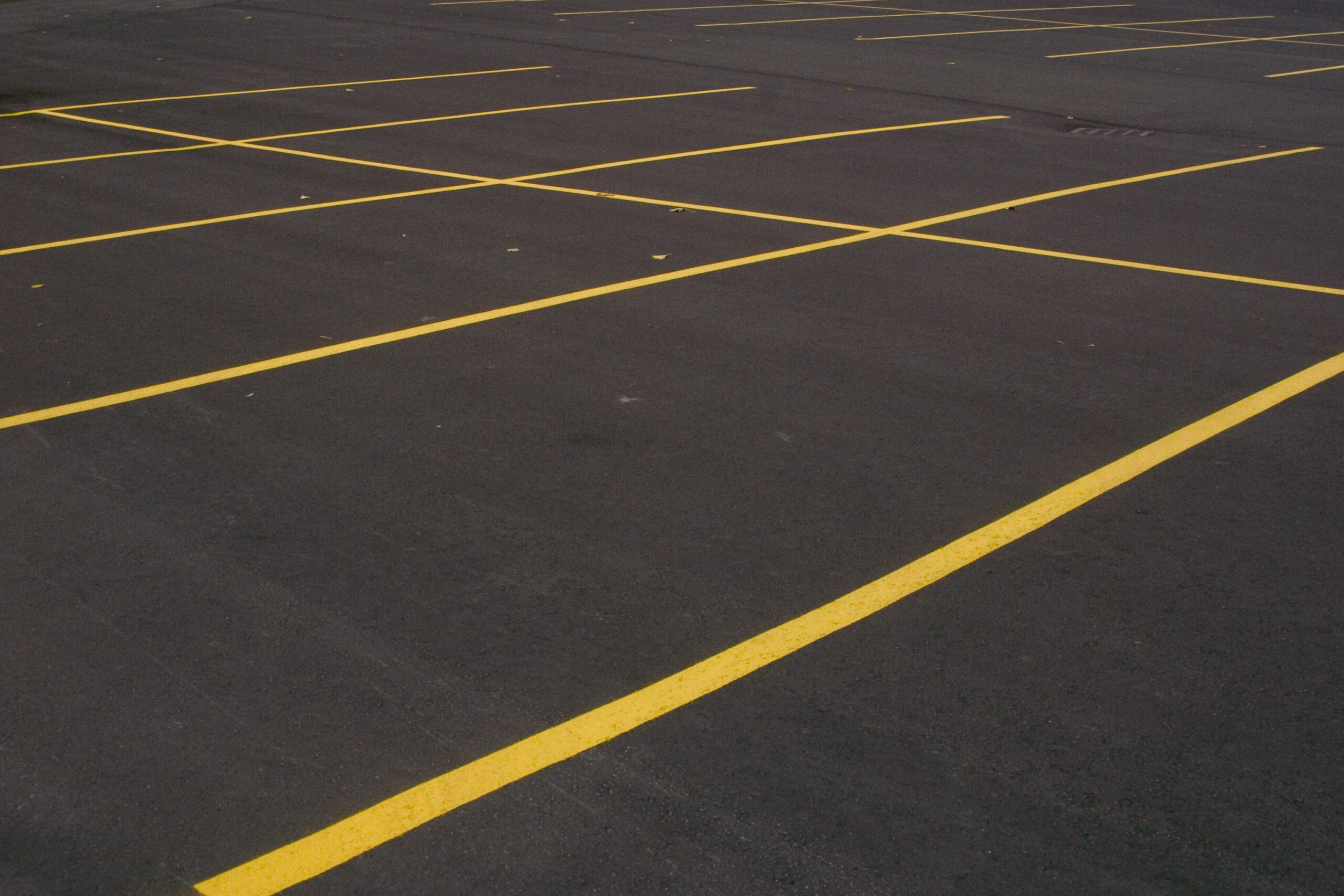
Clear, durable line striping makes pavement look finished, keeps people safe, improves traffic flow, and ensures compliance with local regulations. Whether you’re painting a commercial lot, roadway, or industrial facility, the materials you use for striping affect how long markings last and how well they perform.
At Earle American, selecting the right line striping paint and material is part of delivering a complete, long-lasting commercial paving solution. With offices in Camden County and Passaic County, NJ, we proudly serve all of New Jersey, southern New York State, Southeast Pennsylvania, and northern Delaware. Because of our expertise, we know that not all paints and coatings are equal, and choosing the wrong one can lead to premature fading, frequent restriping, and higher maintenance costs. Here, we discuss the most effective materials for your line striping project.
Why Is the Right Material Important?
Line striping is exposed to constant wear. Vehicle traffic, weather, ultraviolet (UV) exposure, and snow removal can quickly break down low-quality materials. The right material helps ensure:
- Strong visibility, even at night
- Resistance to fading and wear
- Compliance with safety and accessibility standards
- Longer service life with fewer touch-ups
Choosing the right product for your project depends on factors like traffic volume, climate, and budget. When you understand your options, you’ll have an easier time balancing upfront cost with long-term performance.
Water-Based Line Striping Paint
Water-based acrylic paint is one of the most common striping materials, especially for parking lots and low- to moderate-traffic areas. This type of paint is popular because it’s:
- Quick-drying, allowing areas to reopen faster
- Environmentally friendly, with lower levels of volatile organic compounds (VOCs)
- Cost-effective for large-scale projects
However, water-based paint does have limitations. It tends to wear more quickly under heavy traffic and may require more frequent reapplication. In regions with harsh winters or frequent snow plowing, its durability is a concern. For many commercial properties, it provides a practical balance of performance and affordability.
Solvent-Based Paint
Solvent-based paint offers improved durability compared to water-based options. It adheres well to pavement surfaces and performs better in colder temperatures or other conditions that are less than ideal. This makes it an excellent choice for:
- Areas with moderate to heavy traffic
- Projects requiring application in cooler weather
- Surfaces where you need strong adhesion
These paints typically have higher VOC levels. In certain regions with strict environmental regulations, this means there are limits to how solvent-based paints can be used. Additionally, they take longer to dry, which can extend project timelines.
Thermoplastic Striping
In high-traffic areas, thermoplastic is considered the gold standard. It’s applied as a heated material that bonds to the pavement as it cools. The result is a thick, durable marking that can withstand significant wear. When compared to other line striping materials, thermoplastic offers:
- Exceptional longevity
- High visibility, especially when it’s combined with reflective glass beads
- Strong resistance to traffic, weather, and chemicals
Because of its durability, thermoplastic is commonly used on roadways and highways, as well as busy commercial entrances. While it has a higher upfront cost, its extended lifespan often makes it more cost-effective over time.
Epoxy Coatings
Epoxy striping systems are another premium option. They are perfect for sites where you need extra durability and chemical resistance. Epoxy coatings are made by combining two components that chemically react to form a hard, protective surface. This makes them ideal for:
- Industrial facilities and warehouses
- Areas exposed to chemicals or heavy equipment
- High-traffic commercial spaces
In addition to their strength, epoxy markings offer excellent color retention and visibility. Like thermoplastic striping, you can incorporate reflective elements for improved nighttime safety. However, the installation cost is often higher because the process is more involved. In high-traffic areas with extreme weather, epoxy often delivers superior long-term value.
Reflective Glass Beads
No matter which striping material you choose, visibility is critical, especially at night or in low-light conditions. That’s where reflective glass beads come in. You can drop these small beads onto wet paint or thermoplastic during the application process or mix them into certain coatings to reflect headlights back toward drivers. This reflection makes your markers easier to see.
Adding glass beads improves safety. It’s also often required for roadways, parking lots, and other regulated areas. Glass beads are a simple upgrade that has a noticeable impact on how well your line striping performs over time.
Choose the Right Partner for the Job with Earle American
Line striping may seem like a simple finishing touch. However, it plays a critical role in how your property looks, as well as its safety and organization. The materials used and how they’re applied are important.
Earle American has over 100 years of experience, meaning we can recommend and install the most effective line striping paint and material for each project. By evaluating traffic patterns, environmental conditions, and your long-term goals, our team ensures clean, professional markings that hold up and perform well. If you’re planning a paving or maintenance project near you in New Jersey, southern NY, Southeast PA, or Northern DE, contact us today.
interested in asphalt paving?
get in touch with us
Are you looking for asphalt paving for your commercial property or industrial properties? Fill out the following form and we'll get back to you as soon as possible.