




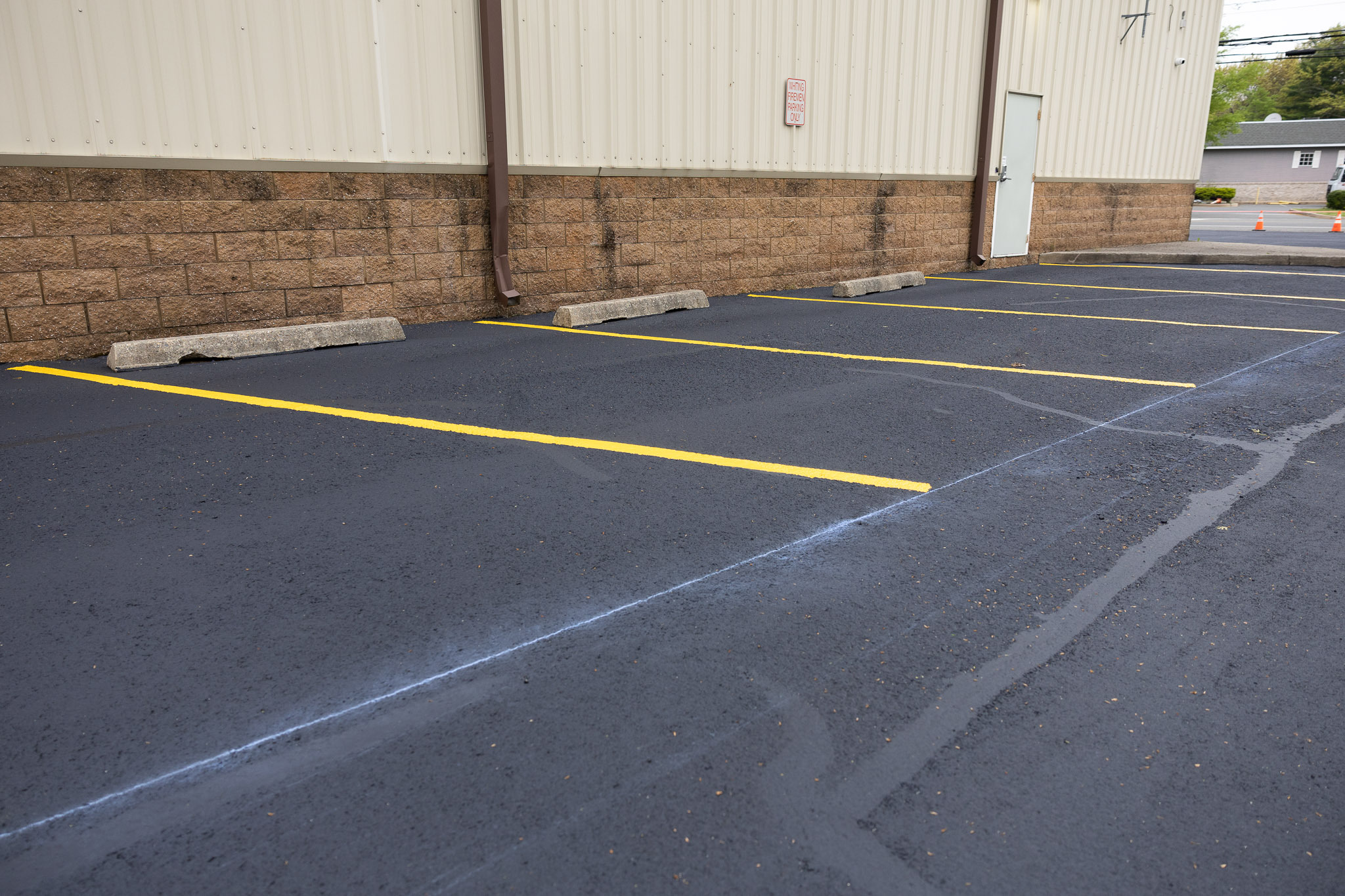
How Parking Lot Design Impacts Traffic Flow and Customer Safety
Have you ever pulled into a parking lot, only to find yourself circling endlessly or trapped in a bottleneck? A well-designed parking lot does more than provide space for vehicles. It also facilitates smooth traffic flow to eliminate chokepoints while keeping pedestrians safe. With the asphalt paving experts at Earle American, learn more about why parking lot design matters and get tips to design a lot that’s safe and easy to use.
Key Takeaways
- Optimize your access points by incorporating multiple entrances, aligning them with roads and aisles, and keeping entry and exit lanes separate.
- Use angled parking spots, clearly lined lanes, and designated loading areas to maximize capacity and functionality while staying ADA-compliant.
- Clearly defined pedestrian walkways, crossing points, and curb extensions will help pedestrians navigate your parking lot with less risk of a collision.
How Can I Create Effective Access Points?
Poorly planned access is one of the most common causes of parking lot congestion. Cross traffic interrupts movement into and out of your parking lot, causing backups and pileups during peak hours. To reduce driver frustration, optimize your access points with the following tips:
- Incorporate multiple access points for large facilities.
- Position entrances to distribute traffic flow evenly across your property.
- Align entrances with the surrounding roads for seamless traffic integration.
- Align entrances with parking aisles to ensure smooth traffic flow.
- Separate your entry and exit lanes.
These tips help to prevent gridlock so that customers, residents, and employees can move efficiently throughout your property.
How Can I Maximize Capacity?
Parking lot capacity is about more than just square footage. You want to arrange parking spaces to maximize your capacity without obstructing traffic flow or pedestrian safety. Features that help to eliminate confusion and slowdowns include:
- Angled parking for easier maneuvering
- Clearly marked lanes and parking spaces
- Adequate lane widths to accommodate larger vehicles
- Designated loading and unloading areas
Measure your lot carefully when determining how many parking spaces you can safely fit. More spots can accommodate more vehicles, but they also reduce space for driving lanes and loading areas. You should also consider ADA compliance guidelines for parking spot width, van-accessible spots, and access aisles to avoid fines and keep your property accessible to all visitors.
How Can I Keep Pedestrians Safe?
While commercial parking lots are built for vehicles, they also need to be safe for pedestrians to navigate while walking to and from their cars. If you don’t plan ahead for pedestrians, you will increase the risk of accidents on your property. Improve pedestrian safety and avoid expensive liability payouts with the following tips:
- Designate pedestrian walkways and crossing points with line striping
- Install raised walkways or curb extensions to keep driving and walking lanes separate
- Plan walkways near facility entrances to reduce the need to cross high-traffic areas
- Plan walkways adjacent to parking spaces for easy access
- Comply with ADA guidelines with barrier-free paths
Well-designed pedestrian infrastructure won’t only enhance safety. It also improves the overall visitor experience, giving customers and residents a positive impression of your property.
How Can I Ensure Clear Signage?
Finally, signage plays an important role in maintaining order. Drivers need clear signs and striping to tell them where to drive, stop, and park. Without them, drivers may take incorrect routes, stop unpredictably, or fail to yield where pedestrians are crossing. Consider your parking lot’s traffic flow carefully when placing the following control elements:
- Directional signage toward entrances and exits
- Stop and yield signs at intersections
- Pedestrian crossing signs and lanes to ensure driver awareness
- Arrows and warnings to direct traffic movement
Signs and striping should be highly visible and regularly maintained. Traffic instructions don’t help anyone if the paint is too worn down to be read easily.
FAQs About Parking Lot Design
What design features improve customer and pedestrian safety?
Clearly marked driving and walking lanes, visible crosswalks, raised curbs, and ADA-accessible parking all improve customer safety while also enhancing their experience while visiting your property.
Why does line striping matter for parking lot safety?
Line striping provides clear markers for driving lanes, parking spaces, pedestrian walkways, and loading points. This helps reduce confusion among drivers, preventing traffic slowdowns and erratic driving that may result in a collision. It also keeps drivers and pedestrians separate to reduce the risk of an accident.
What role does ADA accessibility play in parking lot design?
ADA accessibility ensures that your parking lot is accessible to people with wheelchairs, crutches, and other mobility aids. The guidelines cover minimum parking space sizes, accessible parking spots, and access aisles for safe mobility.
Design a Functional Parking Lot with Earle American
If designing an effective parking lot seems challenging, you aren’t alone. Earle American can help out by applying our extensive experience toward designing a safe, functional, and attractive parking lot. With offices in Camden County and Passaic County, New Jersey, we operate throughout New Jersey, southern New York State, southeastern Pennsylvania, and northern Delaware. Contact us to learn more about parking lot design or to request an estimate on your paving project.
interested in asphalt paving?
get in touch with us
Are you looking for asphalt paving for your commercial property or industrial properties? Fill out the following form and we'll get back to you as soon as possible.