




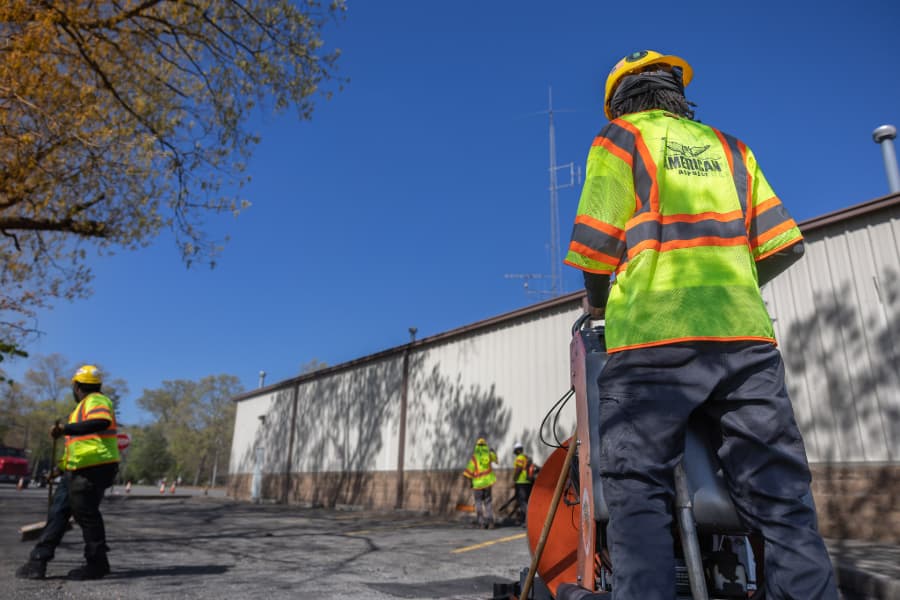
Pavement Maintenance Planning for Retail Centers and Shopping Plazas
Retail centers and shopping plazas are active locations with a constant flow of traffic. They support vehicles of all sizes, from customer cars to delivery trucks, and year-round usage through summer heat and snowy winters. These challenging conditions can wreak havoc on the pavement if it is not maintained properly. With Earle American, find out how to develop a pavement maintenance plan to extend your parking lot life, maintain a professional appearance, and prevent costly repairs.
Key Takeaways
- Retail center parking lots experience more traffic than other commercial locations, leading to increased wear and tear and faster deterioration.
- Developing a pavement maintenance plan can help you keep costs down by extending the lifespan of your pavement and preventing expensive repairs.
- An effective maintenance plan includes regular inspections, drainage maintenance, crack sealing, sealcoating, and asphalt patching.
- Earle American provides commercial asphalt maintenance and repairs for businesses across New Jersey, southern New York State, southeastern Pennsylvania, and northern Delaware, helping them extend the lifespan of commercial parking lots.
Why Is Preventive Maintenance Important?
Shopping plazas, malls, and big-box stores see almost continuous traffic. The constant flow of vehicles includes standard cars as well as heavy delivery trucks, putting an immense amount of strain on the pavement. This high volume creates more wear and tear on the pavement than other business types experience, leading to faster deterioration.
Preventive maintenance, also called proactive maintenance, refers to maintenance that is performed before problems occur. Instead of waiting for fatigue and severe potholes to develop, preventive maintenance aims to keep these issues from occurring in the first place. This strategy keeps your pavement safe and attractive for longer. It also significantly lowers repair costs and helps you avoid shutdowns caused by pavement failure and extensive asphalt paving projects.
What Should a Pavement Maintenance Plan Include?
Most property managers don’t prioritize pavement maintenance as much as they should. By developing a multi-year maintenance plan, you can keep maintenance below budget while ensuring that essential tasks are performed in a timely manner to prevent deterioration. An effective maintenance plan should account for the following necessities:
Routine Inspections
Regular inspections form the foundation of an effective maintenance plan. Commercial parking lots should be inspected quarterly or at least twice a year to confirm its condition and detect emergent issues, such as poor drainage, minor cracking, and developing potholes.
Drainage Maintenance
Standing water is a parking lot’s greatest enemy. If your drainage system becomes clogged, then it can’t protect your parking lot from moisture issues. Regularly inspect, clean, and repair your catch basins and inlets to keep them functional and prevent puddles.
Crack Sealing
If a routine inspection detects any cracks, then prompt crack sealing is vital. Small cracks can quickly grow larger under weather and heavy traffic. By sealing cracks early, you stop them from expanding and keep water from intruding on your base layer.
Sealcoating
Sealcoating applies a thin surface layer that renews the appearance of your asphalt while reinforcing the asphalt against chemicals, UV damage, and moisture infiltration. In a high-traffic retail setting, parking lots should be sealcoated every one to two years.
Line Striping
Parking lot markings play an important role in directing traffic, eliminating confusion, and preventing collisions. Once they begin to fade, customer safety is compromised. Parking lots should be re-striped after sealcoating or whenever the paint starts to fade.
Asphalt Patching
Even with careful maintenance, potholes sometimes develop. When they do, it’s important to fix them before they expand. Asphalt patching addresses small potholes and cracks to restore your pavement’s appearance and keep them from expanding.
FAQs About Pavement Maintenance Plans
How often should retail centers plan pavement maintenance?
Retail centers should plan pavement maintenance annually. At a minimum, retail center parking lots should be inspected twice a year to check for damage. Crack sealing, sealcoating, and line striping should be performed every one to three years depending on the pavement condition.
What parking lot issues affect shoppers and tenants most?
Shoppers and tenants are affected by parking lot issues in a number of ways. Deep cracks and potholes can damage vehicles and create tripping hazards. Worn or faded markings increase confusion, creating traffic bottlenecks and a higher risk of collisions. ADA compliance impacts accessibility for disabled patrons and also affects the pedestrian experience.
How can property managers plan repairs around peak shopping periods?
Effective phasing breaks large-scale paving projects into bite-sized segments. This strategy lets you repair the parking lot while keeping sections of it open for continued customer use.
Develop Your Maintenance Plan with Earle American
By developing a pavement maintenance plan, you can keep your shopping center parking lot in good condition while keeping costs down and minimizing business disruptions. Choose Earle American for your parking lot maintenance needs. With offices in Camden County and Passaic County, New Jersey, we serve all of New Jersey, southern New York State, southeastern Pennsylvania, and northern Delaware with experienced asphalt repairs and maintenance. Contact us to learn more.
interested in asphalt paving?
get in touch with us
Are you looking for asphalt paving for your commercial property or industrial properties? Fill out the following form and we'll get back to you as soon as possible.